Asado
South American barbecue technique and social event.
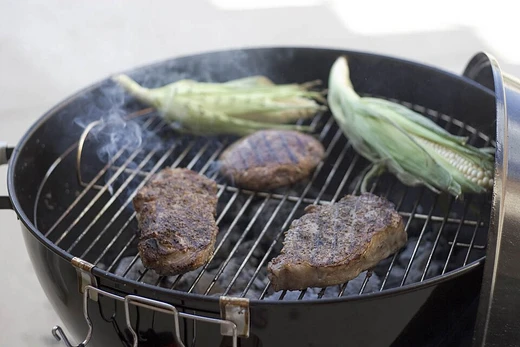
Asado is a technique and social event centered on barbecue in various South American countries, especially Argentina and Uruguay, where it is a traditional event. It also occurs in Brazil (Rio Grande do Sul), Chile, and Paraguay, typically involving beef, pork, chicken, chorizo, and morcilla cooked over an open fire or grill called a parrilla.
- region
- South America (Argentina, Uruguay, Brazil, Chile, Paraguay)
- type
- Culinary technique and social gathering
- main_meats
- Beef, pork, chicken, chorizo, morcilla
- cooking_method
- Open fire or grill (parrilla); also al asador or a la parrilla
- common_accompaniments
- Red wine, salads, chimichurri, salsa criolla
- designated_cook
- Asador or parrillero
Lore & Background
The asado begins with the asador igniting charcoal made from native trees like quebracho or algarrobo, avoiding pines and eucalyptus. In Uruguay, charcoal is not used; instead, the asado is grilled directly over embers. Cooking can be done al asador, where a fire is lit on the ground and the animal carcass is held on metal crosses, or a la parrilla, where a grill is placed over formed coals.
Reader's Guide
Asado is significant as a traditional social event and culinary practice in several South American countries, particularly Argentina and Uruguay. It involves slow cooking of various meats over fire or coals, with the asador controlling heat and distance to avoid smoke from grease. The meal typically includes appetizers like chorizo and morcilla, followed by ribs, flank steak, and other cuts, served with salads and beverages. Variations exist across regions, such as cordero al palo in Chile, churrasco in Brazil, and asado al disco or al horno de barro in Argentina, Uruguay, and Paraguay. The practice emphasizes simplicity in seasoning (salt only) and communal dining, with accompaniments like chimichurri or salsa criolla. Its legacy lies in its role as a cultural identifier and gathering tradition.
Did You Know?
- In Uruguay, charcoal is not used; the asado is grilled directly over embers or hot coals.
- The meat for an asado is not marinated; the only preparation is applying salt before or during cooking.
- In Paraguay, chipa guasu, sopa paraguaya, and boiled manioc are served as side dishes at asados.
- In Chile, the cordero al palo (whole roast lamb) is typically accompanied with pebre, a fresh dip-style salad.
Frequently Asked Questions
Who is Asado?
Asado is a traditional South American barbecue technique and communal gathering, most strongly tied to Argentina and Uruguay but also practiced in Brazil, Chile, and Paraguay. It revolves around grilling a variety of meats over an open flame or on a metal grill called a parrilla.
What are Asado's powers/role?
Asado's core function is to cook a spread of beef, pork, chicken, chorizo, and morcilla over an open fire or parrilla grill. Equally important, it serves as a social ritual where friends and family gather around the heat to share food, conversation, and a slow, unhurried meal.
How does Asado's story end?
The gathering typically closes as the last cuts of meat hit the table alongside chimichurri, salsa criolla, and simple salads, often washed down with red wine. The fire gradually dies, plates are cleared, and the shared meal becomes the lasting memory of the day.
Why is Asado important?
Asado carries deep cultural weight across South America as both a culinary tradition and a bonding ritual for families and communities. The designated cook, known as the asador or parrillero, is treated with informal reverence for their skill, patience, and dedication to the grill.
What companions does Asado travel with?
Classic pairings include chimichurri, salsa criolla, fresh salads, and a glass of red wine. The meats themselves—ranging from beef and pork to chorizo and morcilla—form the essential cast of every Asado spread.
More in Barbecue & Grilling 1-15
Spotted an error? Know more?
This is a living reference — every entry is fact-audited, and reader corrections feed straight into our audit queue. Suggest an edit · See this site's audit record